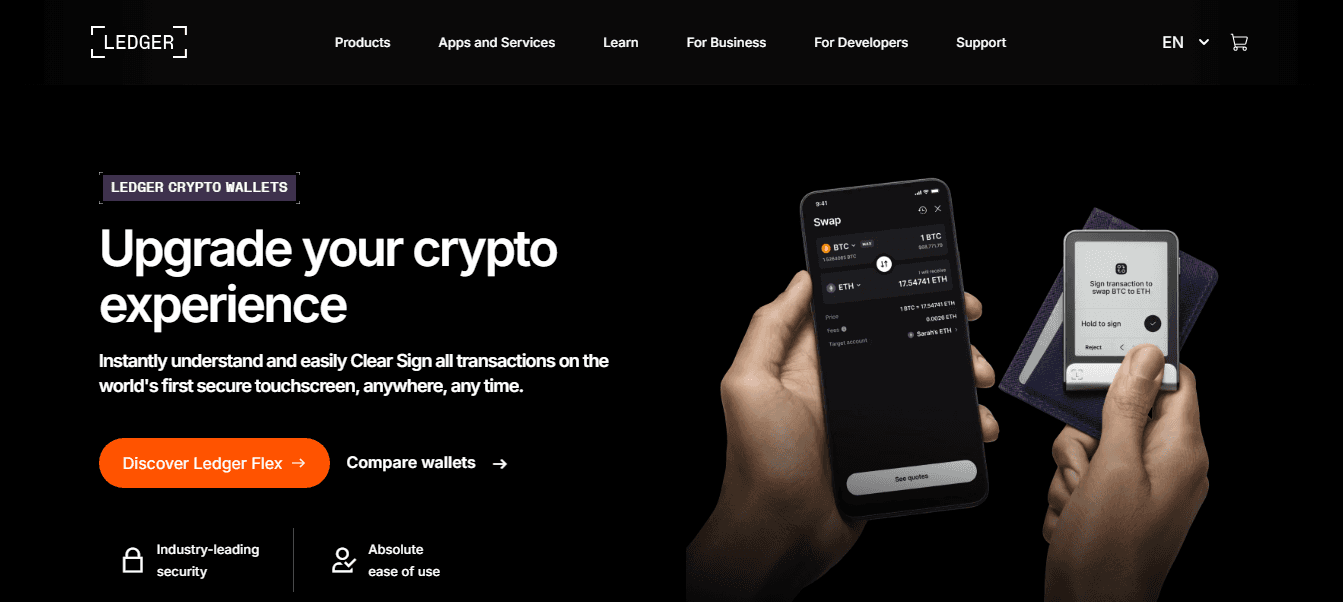
Ledger.com/start — Complete Step-by-Step Setup Guide in Words
Ledger hardware wallets are designed to give crypto users the highest level of security by keeping private keys offline and protected from online threats. The official setup page for all Ledger devices — including Ledger Nano X, Ledger Nano S Plus, and Ledger Stax — is Ledger.com/start. This guide explains the full process in clear language, so you can unbox your Ledger wallet, set it up correctly, and secure your cryptocurrency with confidence.
1. What Is Ledger.com/start?
Ledger.com/start is the official onboarding page for Ledger devices. It guides new users through downloading the required software, initializing their hardware wallet, creating a recovery phrase, and installing blockchain applications. It ensures every wallet is configured safely and correctly.
By using only the official Ledger website and software, users can avoid fake apps and phishing scams that attempt to steal recovery phrases.
2. Before You Begin — Unbox and Inspect Your Device
When you open the box, verify that:
The box is sealed properly.
The device appears brand new, without scratches or fingerprints.
There are no pre-printed recovery phrase cards included.
If there is a recovery phrase printed ahead of time, stop immediately — that means the device has been tampered with.
Inside the package you should find:
Ledger Nano device
USB cable
Recovery sheets (blank)
Instructions
3. Go to the Official Setup Page
Using your computer or smartphone browser, enter the address manually:
Ledger.com/start
Do not download Ledger software from search ads or third-party websites. Always type the address yourself.
4. Download and Install Ledger Live
Ledger.com/start will direct you to the official Ledger Live application, which is the management software for your Ledger device. Ledger Live is available for:
Windows
macOS
Linux
iOS
Android
Once installed, open the application and select “Get started”.
5. Initialize Your Ledger Wallet
Connect the Ledger device to your computer or phone using the supplied cable and choose:
“Set up as new device.”
During the setup process:
Create a PIN code on the device.
Confirm the PIN by re-entering it.
Generate your 24-word recovery phrase.
This phrase will appear on the device screen only and nowhere else.
6. Write Down Your Recovery Phrase
The 24-word recovery phrase is the single most important part of your Ledger wallet. It controls access to your crypto across all blockchains.
Write the words in the correct order.
Store the phrase offline only.
Never upload it to cloud storage, email, or notes apps.
Never take a screenshot or picture of it.
Never share it with anyone — not even Ledger support.
Ledger will never ask for your phrase. If anyone does, it is a scam.
If you lose the device, the recovery phrase allows you to restore your crypto on a replacement wallet.
7. Confirm Your Recovery Phrase
The Ledger device will ask you to confirm your 24 words by selecting them in the correct sequence. This ensures you wrote them down accurately.
Once confirmed, the device setup is complete.
8. Navigate Ledger Live and Install Apps
Ledger Live acts as your crypto dashboard. To receive, send, or hold a specific cryptocurrency, install the required blockchain app on your Ledger device:
Steps:
Open Ledger Live.
Go to “My Ledger”.
Choose the apps you need, such as:
Bitcoin
Ethereum
BNB Smart Chain
Solana
Polygon
XRP
and many others
You can install and uninstall apps freely — uninstalling an app does not remove or affect the crypto stored on its blockchain.
9. Add Accounts in Ledger Live
Once the blockchain apps are installed, create accounts inside Ledger Live to track balances and transactions.
Select “Accounts”
Choose “Add account”
Pick the blockchain you want
Connect and unlock your Ledger to confirm
Now your portfolio will display your balances securely and in real-time.
10. Transfer Crypto to Your Ledger Wallet
To receive assets:
Open Ledger Live
Select “Receive”
Choose the crypto account
Verify the address on the Ledger device screen
Copy the address only if it matches the device screen
Send assets from an exchange or another wallet
Verifying the address on your Ledger display prevents phishing attacks.
11. Sending Crypto From Ledger
To send assets:
Open Ledger Live
Click “Send”
Paste the destination wallet address
Enter the amount
Connect and unlock your Ledger
Approve the transaction on the device
Ledger must approve the transaction physically, making unauthorized transfers impossible.
12. Keeping Your Wallet Secure
A Ledger wallet provides the highest level of crypto protection when used correctly. Follow these rules:
Never reveal your recovery phrase to anyone.
Never type your recovery phrase into a website or keyboard.
Only download Ledger Live from Ledger.com/start.
Turn off auto-fill on your computer to prevent accidental exposure.
Consider metal backup plates for long-term recovery phrase protection.
Be cautious when interacting with new crypto tokens or DeFi services.
Your assets are always stored on the blockchain — not inside the Ledger device. The device simply protects your private keys from unauthorized access.
13. Lost or Damaged Device — What To Do
If the Ledger wallet is lost, stolen, or broken:
Your crypto is still safe.
Simply get a new Ledger device.
Select “Restore wallet”.
Enter your 24-word recovery phrase.
Your full portfolio will reappear once Ledger Live syncs.
The only way to lose your crypto permanently is by losing your recovery phrase.
14. When to Use Ledger Support
Ledger support can help with:
Device troubleshooting
Firmware or installation issues
Transaction tracking guidance
However, they will never ask for your recovery phrase. It should remain private forever.
Final Summary
Ledger.com/start is the official and safest way to configure a Ledger wallet. By following the instructions and protecting your 24-word recovery phrase, you gain full offline control of your crypto and shield it from online threats, exchange failures, and hacks. Ledger offers security on a level that apps and online wallets cannot match — because your private keys never touch the internet.